You are likely a good candidate for dental bonding if you have healthy teeth with small cosmetic concerns, such as chips, minor gaps, uneven edges, or stains that whitening cannot lift. Bonding works when tooth damage is minimal and you want a natural change without removing healthy enamel. It is also a strong option for younger patients who are not ready to commit to porcelain veneers. At Dr. David Toksoy, Studio Dental NY every bonding case begins with a careful look at your teeth, bite, and smile goals.
Dental bonding uses tooth-colored composite resin to reshape and refine teeth. The material is sculpted directly onto the tooth surface. Many cases need little or no drilling, which is why bonding is often called no-prep bonding.
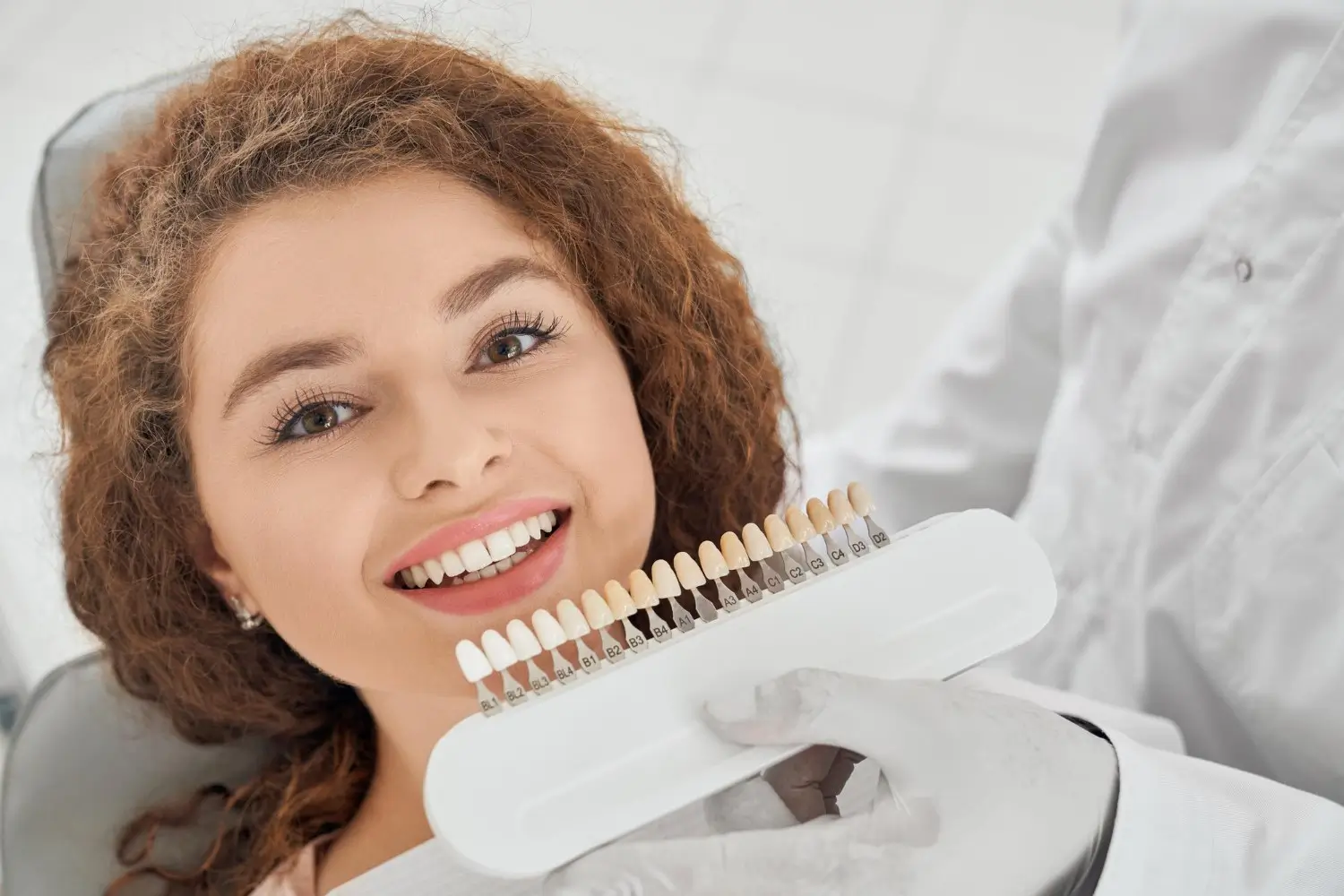
Composite resin bonds to enamel through adhesive dentistry. A strong bond depends on a clean, dry tooth surface. For this reason, we place strong emphasis on isolation with rubber dams or DryShield, which support predictable, long-lasting adhesive results.
Healthy tooth structure is preserved.
Results are often completed in a single visit.
Composite can be layered to mimic the depth and translucency of natural enamel.
Bonding can be added to or refined later.
Bonding is well suited to:
Chipped or cracked edges
Small gaps between teeth
Teeth that look short, worn, or uneven
Stains that do not respond to whitening
Minor shape and proportion concerns
Patients who ask “Am I a good candidate for dental bonding in NYC?” usually share a few traits. Their teeth and gums are healthy. Damage is limited to the surface. They want subtle, natural improvement rather than a dramatic change in color or shape. Many are younger adults who want a conservative first step before considering veneers.
Bonding may not be the right fit if you have active decay, gum disease, large fractures, or significant structural damage. Heavy grinding can also place stress on composite. In these cases, we may suggest addressing the underlying issue first, such as bruxism treatment.
Porcelain veneers offer strong stain resistance and can correct larger changes in shape and color. Our veneers follow minimal-prep principles. Bonding is even more conservative and is often the better choice when teeth need only small corrections.
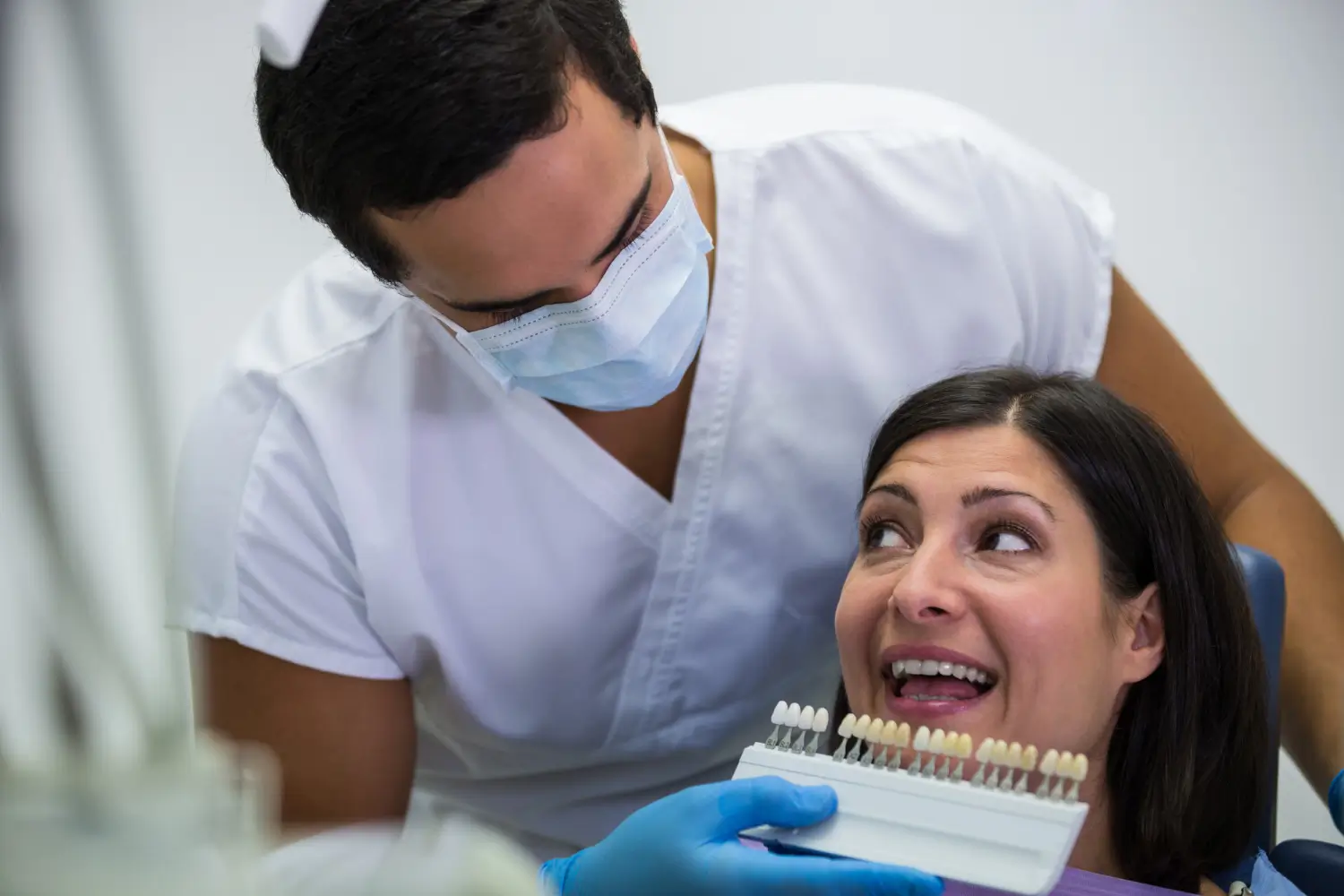
Whitening lightens natural enamel but cannot change shape or fix chips. Composite does not respond to whitening, so we often recommend teeth whitening before bonding. This lets us match the composite to your brighter shade.
Bonding can combine with whitening, Invisalign, or veneers in a Smile makeover. For example, aligners may move teeth into better position before bonding refines their shape.
Your visit starts with an evaluation of your teeth, gums, bite, and facial features. We use intraoral photography, iTero digital scans, and digital smile design to plan your case. Smile mock-ups let you preview changes before committing to treatment. You leave knowing whether bonding fits your goals or whether another option would serve you better.
Many bonding cases are completed in one appointment. Dr. David Toksoy hand-sculpts the composite to match the shape and character of your natural teeth. Our team also offers comfort touches, including hot towels, neck warmers, and Grace and Stella eye pouches.
There is no downtime. Brush and floss as usual, keep up regular cleanings and exams, and limit habits such as biting nails or pens. A nightguard may help protect bonding if you clench at night.
With good care and proper isolation during placement, bonding can last many years. Longevity depends on your bite, habits, and hygiene.
Because many cases need little or no tooth preparation, most patients find bonding comfortable. Numbing is often unnecessary.
Composite is layered in shades and translucencies that blend with surrounding enamel. Dr. Toksoy lectures on composite layering, and shade matching is central to every case.
Bonding can be polished, repaired, or refreshed without starting over. This flexibility makes it a practical long-term choice.
Look for a dentist who preserves tooth structure, uses proper isolation, and shows you a preview of results before treatment. Ask about training in composite artistry and adhesive dentistry.
Dr. David Toksoy trained in biomimetic techniques and previously taught at NYU Esthetic Dentistry. He is building a reputation for bonding in patients with minimal tooth damage. Our philosophy is simple: preserve before shaving or removing any tooth. Learn more on our Dr. Toksoy page, or visit our office in New York, NY.
If you are still wondering “Am I a good candidate for dental bonding in NYC?”, an evaluation with Dr. David Toksoy will give you a clear answer and a plan built around your teeth.
Dental bonding suits patients with healthy teeth and small cosmetic concerns. It preserves enamel, often finishes in one visit, and blends naturally with your smile. For younger patients or those with minimal damage, it is a conservative alternative to veneers. Careful planning, digital previews, and proper isolation help bonding look natural and last.